Large Scale Magnetic Clearance Project
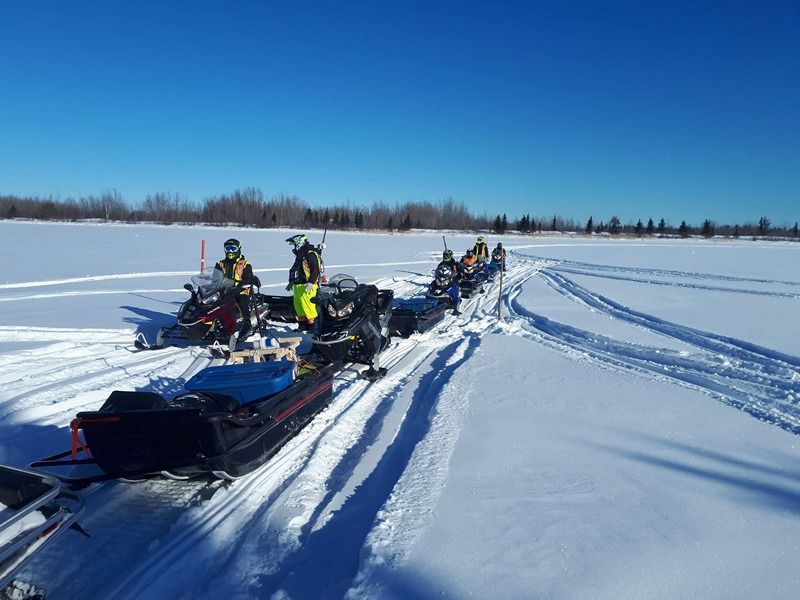
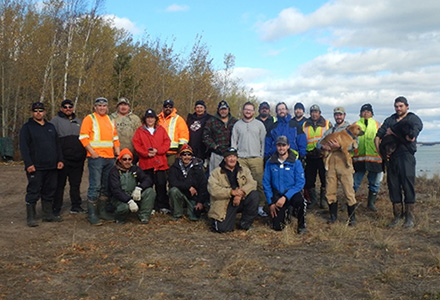
CSR GeoSurveys Ltd. conducted a large scale ground and marine magnetic clearance project for a client in western Canada over a multi-year survey program. The project was completed in collaboration with the Cree Nation who provided project coordination, logistical support, and ground and marine survey assistance.
The objective of the project was to identify and map metallic debris associated with historical construction activities to assess debris type and distribution and support targeted environmental remediation and risk mitigation planning.
Survey Methods
The project incorporated ground, marine, and validation survey methods to identify anthropogenic metallic debris across a large remote survey area, including:
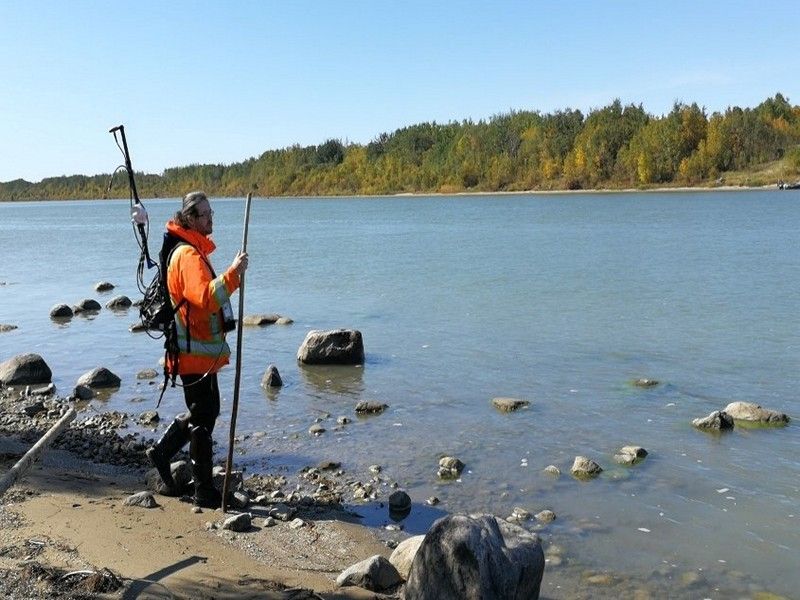
- Ground Magnetic Survey: Conducted using GSM-19 Overhauser and GSMP-35 Potassium magnetometers with internal DGPS receivers to identify metallic debris across terrestrial portions of the project area. Multiple field crews collected data along 3 m spaced survey lines using the walking magnetometer systems.
- Marine Magnetic Survey: Completed using a Marine Magnetics SeaSpy magnetometer system to identify submerged metallic debris within marine portions of the project area. Magnetic data were collected along 10 m spaced survey lines.
- Marine Geophysical Survey: Sidescan sonar and single beam bathymetry data were acquired to support interpretation of submerged targets and characterize the marine environment.
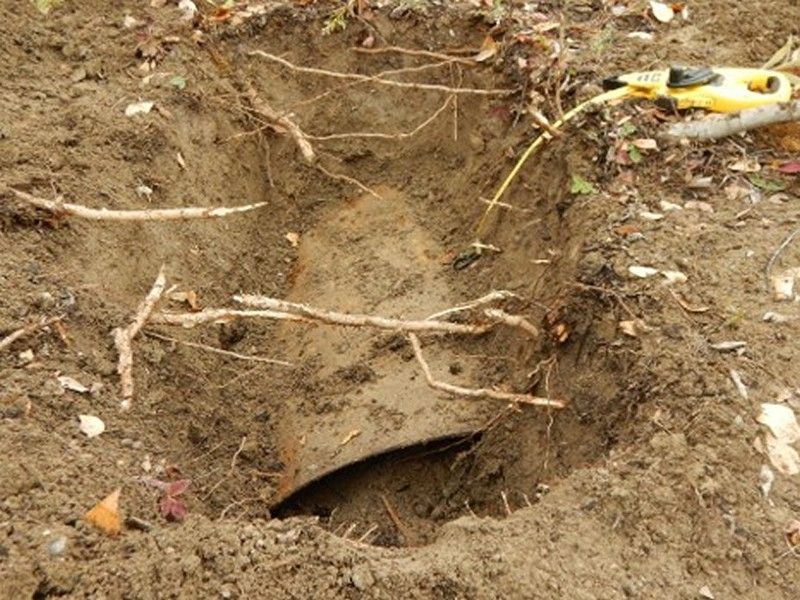
- Ground Truth Program: Conducted using handheld metal detection equipment to investigate anomalies and validate interpreted debris locations.
Data Interpretation, Results & Applications
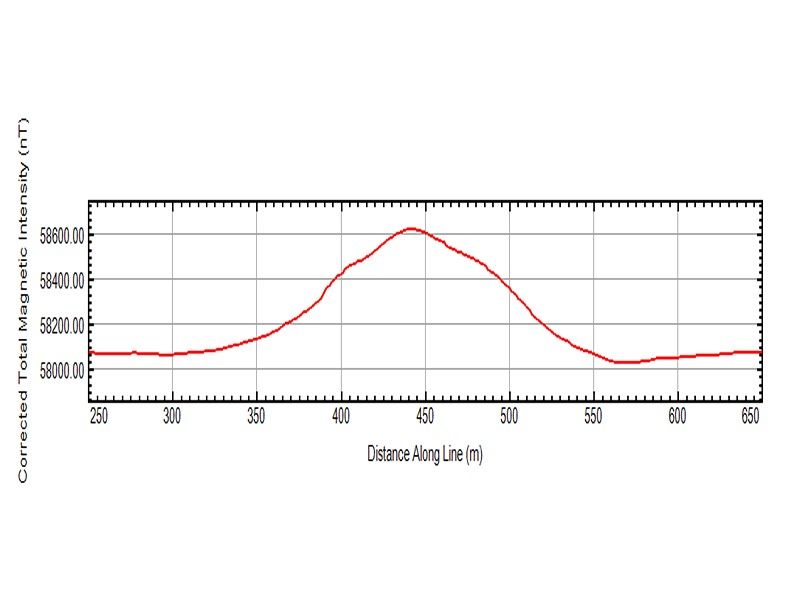
Processing and interpretation of the magnetic datasets identified numerous metallic anomalies consistent with buried and submerged anthropogenic debris. The ground and marine magnetic anomalies were categorized based on analytic signal amplitudes to prioritize potential debris targets. The sidescan sonar data was also utilized to assist in the interpretation of the marine magnetic anomalies.
Ground truthing confirmed that a significant portion of anomalies were associated with anthropogenic debris, ranging from small metallic objects to large industrial materials and construction related debris.
The ground and marine magnetic clearance surveys successfully identified and mapped debris targets requiring further assessment and remediation. The results of the project provided information to support risk mitigation, environmental assessment, remediation planning, and the development of long-term management strategies associated with historical construction activities.
Gallery
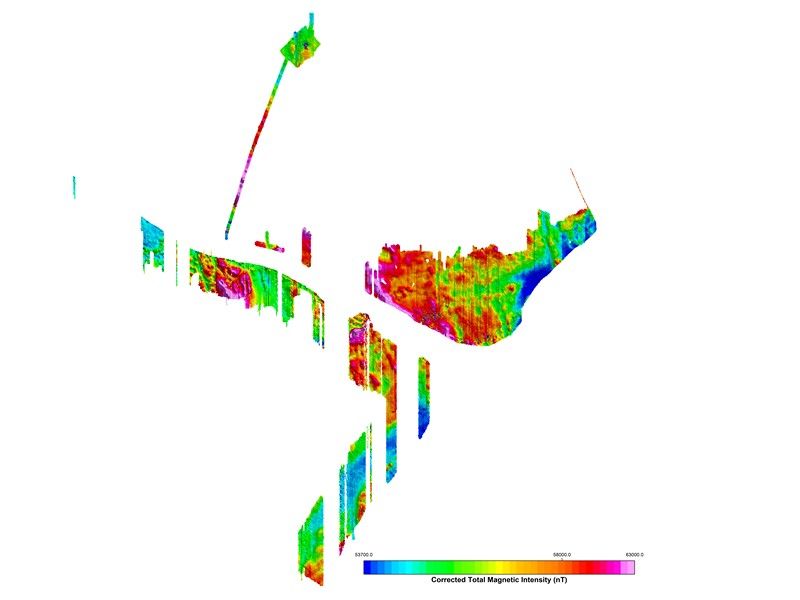
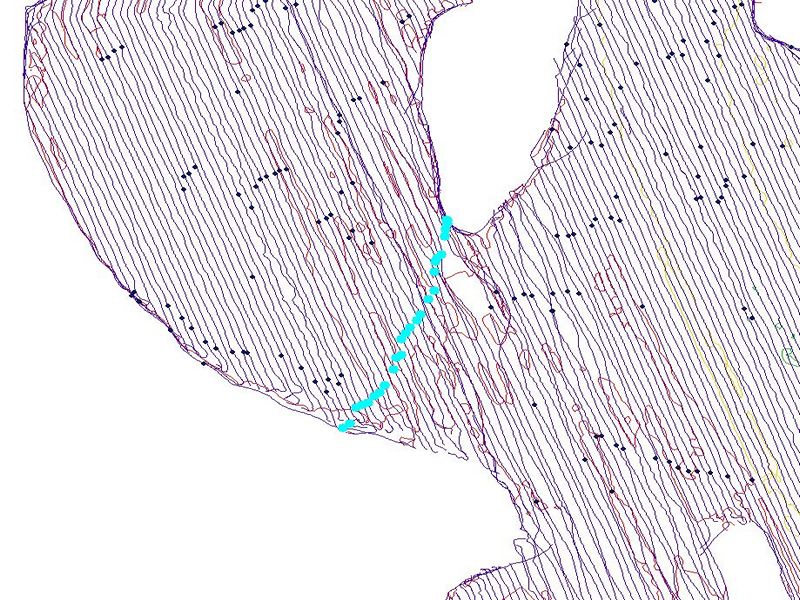
Over 4000 km of ground and marine magnetic data were collected during the project.
- Large Scale Magnetic Clearance Project
- Damage Prevention Investigation
- Bridge Concrete Foundation Assessment
- Wind Farm Seismic Site Classification
- Historical Mine Subsidence Investigation
- Concrete Slab GPR Investigation
- EM61 MAPPING, DND Naval Engineering School
- EM61 MAPPING, Department of National Defence